January 12 - February 6, 2026 Virtual Book Tour
ABOUT THE BOOK -
Our bodies record what happens to us physically throughout our lives. This is illustrated by the simple appearance of scars from injuries sustained years, and even decades ago. Evidence such as scars also tells us how we used our joints or may have injured them as children and adults. Our bodies conform to the environment in which we live, both outside and inside. By examining and observing these key clues, a forensic investigator can reveal the unique character that tells the story of a person’s life and death.
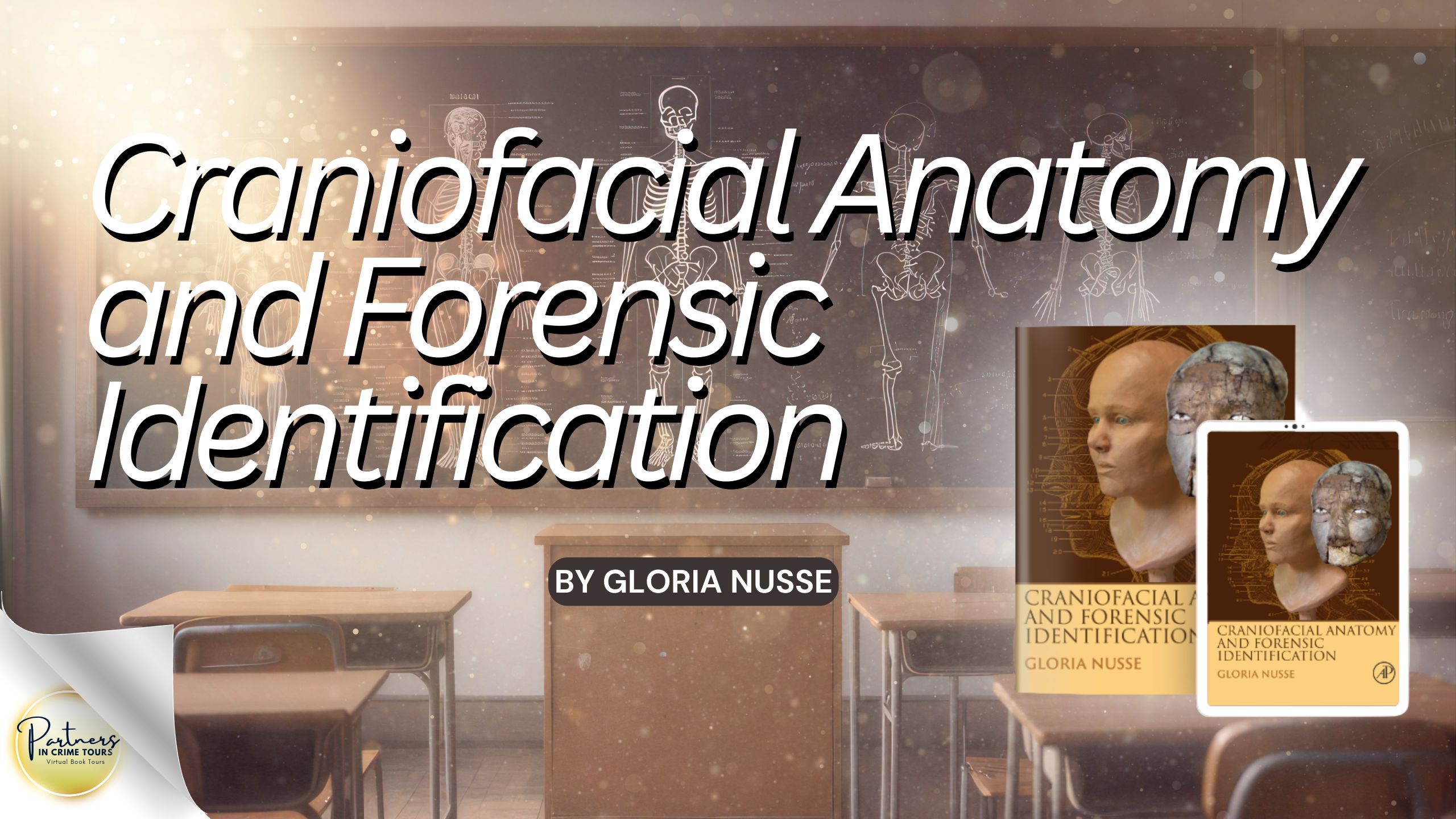
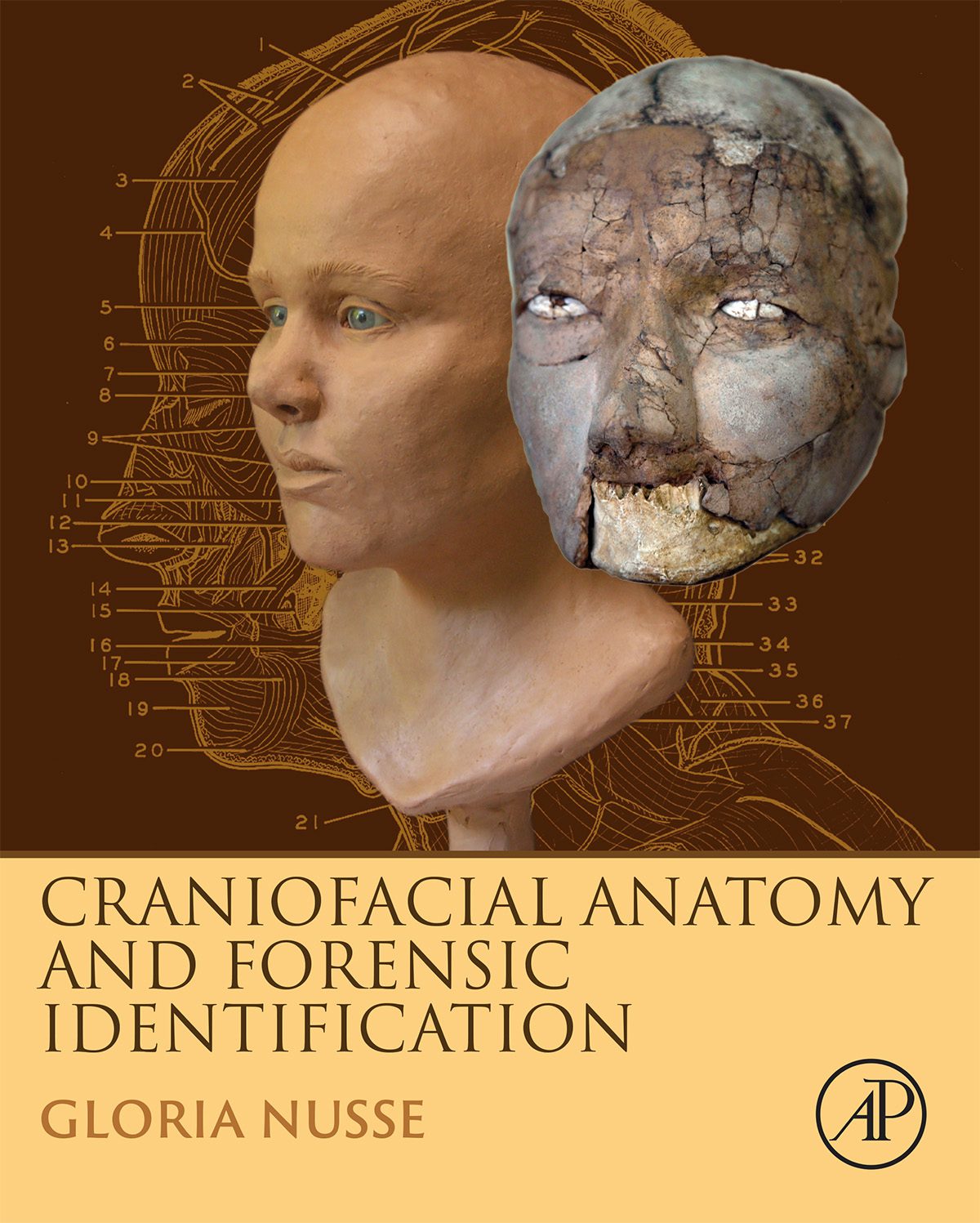
Craniofacial Anatomy and Forensic Identification is an atlas that covers all aspects of facial reconstruction and anatomy of the head and neck, such as facial expression and the anatomic basis for facial development, along with the effects of muscle movement. Written by a world-renowned forensic artist with decades of experience as a scientific illustrator as well as a portraitist, anthropologist, and lecturer in anatomy and biology, the author is as much a scientist as an artist.
Comprehensively addresses the history o facial reconstruction, facial development, muscle movements, and bone physiology used by forensic artists and forensic anthropologists
Demonstrates techniques in mold making and sculpting to bring the body to life
Includes images from cadaver labs and recent case studies
Provides detailed anatomy of vessels and nerves found in the face including the eyes
Details the muscles, ligaments and tissues down to the skull
Describes the changing face as it ages
ABOUT THE AUTHOR -
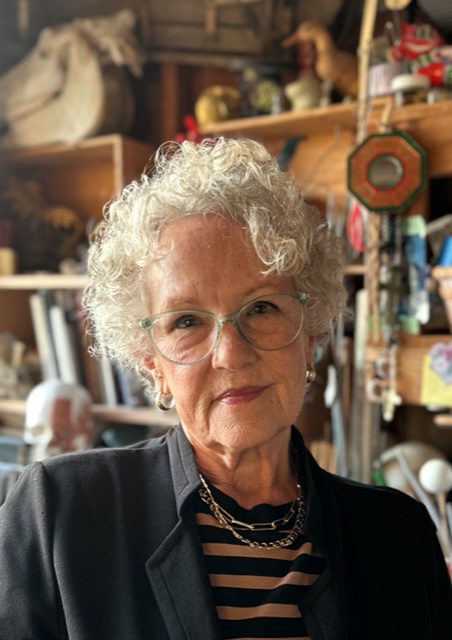
Gloria Nusse is a forensic artist, anatomist and anthropologist. She has aided in identification of unidentified remains and return 14 plus persons to their families. As well she has recreated the faces of ancient peoples of the Middle East, as well as recreations of the crystal skull for National Geographic among others. Her work has been featured on 48 Hours, Forensic Files, Dateline, National Geographic specials, Unsolved History and others. She worked as a scientific artist for over 35 years and has taught human dissection and anatomy at San Francisco State University for 12 years. ( currently Emeritus)
She has authored and co-authored several journal articles and chapters for various publications. She was the invited speaker for the Chalmers Historical Address for the Association of Oral and Maxillary surgeons meeting in 2013.
As well she has taught many workshops for professionals, including the FBI.
Catch Up With Gloria Nusse:
LinkedIn
MY THOUGHTS -
I am not an author, nor am I in the medical profession, but I have always loved anything related to forensics. I’ve watched the TV shows, read numerous books, and sometimes I think I may have missed my calling!
I am, however, an artist—and the idea of blending forensics with art immediately grabbed my attention.
My original plan was to skim this book, flipping through chapters and reading bits here and there. That is not what happened at all. Once I started reading, I couldn’t stop. I found the entire book absolutely fascinating.
The section on facial proportions particularly stood out to me because it directly connects to my own work drawing and painting faces. Every feature—the nose, eyes, even the ears—is completely unique to each person. When I’m painting, the slightest change can give a face an entirely different look. I can paint ten faces in a row, and each one will look distinct and individual.
The author explains how these details tell not only the story of a person’s death, but also the story of their life. As she writes, “Every identification is a story told with small bits of information pieced together until the person’s identity emerges.” In a very real way, the body tells a story—their story—one that is entirely unique to them.
When I paint faces, I often think about the story behind the person I’m creating. Even though my work is more abstract and not based on real people, I still imagine what they might have experienced or what they are feeling before I begin painting.
Later in the book, the author goes into great detail about making a mold of the skull and reconstructing a face using clay. While I don’t work with clay (I use watercolors), I still found this process incredibly interesting and could relate it to the layers that go into my watercolor paintings..
This book is very thorough and filled with drawings, photographs, comparisons, graphs, and several case studies that I found both helpful and compelling. The detailed explanations help make these complex concepts easier to understand.
No matter your reason for picking up this book—whether for writing, art, medical interest, or pure curiosity—I don’t think you’ll be disappointed.
I will leave you with one of my favorite quotes from the book:
"People are known as they are seen, by others."
I voluntarily posted this review after receiving an e-copy of this book from Partners in Crime Tours. Thank You!
Tour Participants:
Visit these other great hosts on this tour for more great reviews, interviews, guest posts, and opportunities to WIN in the giveaway!
Click here to view the Tour Schedule
Don't Miss Out! Enter Now for Your Chance to Win!
This giveaway is hosted by Partners in Crime Tours for Gloria Nusse. See the widget for entry terms and conditions. Void where prohibited.
Craniofacial Anatomy and Forensic Identification by Gloria Nusse | Gift Cards
Can't see the giveaway? Click Here!


Comments
Post a Comment